Same rules, different realities: Australia's first ASRS assurance cycle and what it taught us
by James Balik-Meacher, Ashleigh Turner, Sushmika Shetty
View post
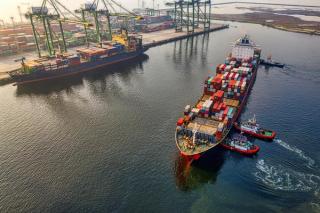
We sat down with Justin Eickmeier, Underwater Acoustics Team Lead Canada to discuss our relationship with Green Marine and how SLR can help get you certified.
What is Green Marine?
Green Marine is an environmental certification program for the North American marine industry that facilitates monitoring and the reduction of adverse environmental impacts from the industry.
This voluntary, transparent, and inclusive program addresses key environmental issues through 14 performance indicators, one of which is underwater noise. The performance indicator for underwater noise applies to ship owners and port authorities operating in saltwater and relates to the management of underwater noise sources during routine operations, construction/development, and maintenance activities.
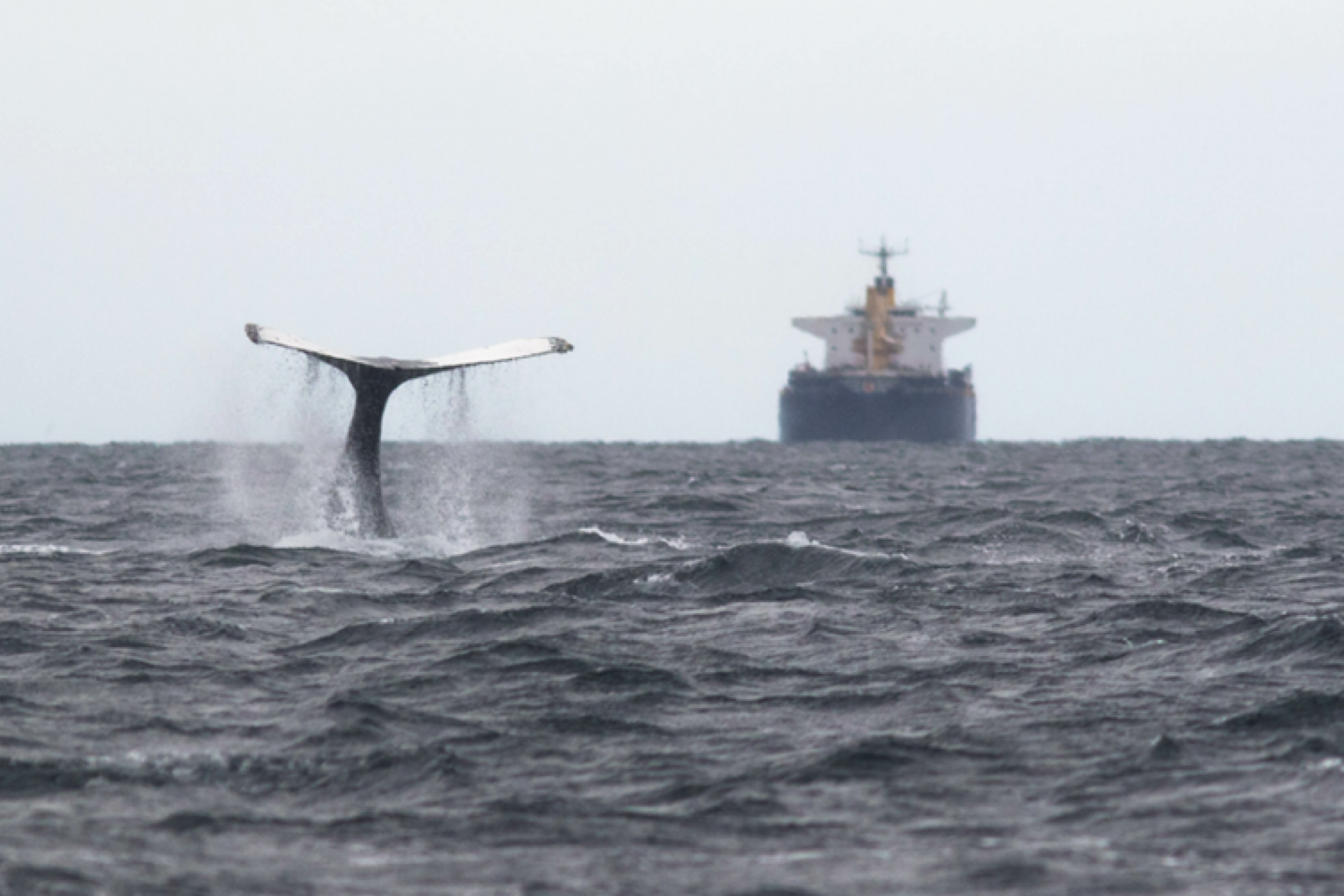
Green Marine's performance indicator for underwater noise applies to ships and ports
Maritime companies are offered a detailed framework through the Green Marine certification process to establish, and then reduce, their contribution to elevated underwater noise levels.
What is underwater noise?
Underwater noise can come from human activities like commercial shipping, resource exploration, and infrastructure development. The technical term for these types of noises is “anthropogenic,” meaning environmental change caused by or influenced by a human.
One of the primary sources of underwater noise from commercial vessels is caused by propeller cavitation, which is the formation of small air bubbles caused by changes in pressure as water moves across a rotating propeller blade. Anthropogenic sources of underwater noise such as this can have considerable impacts on marine life.
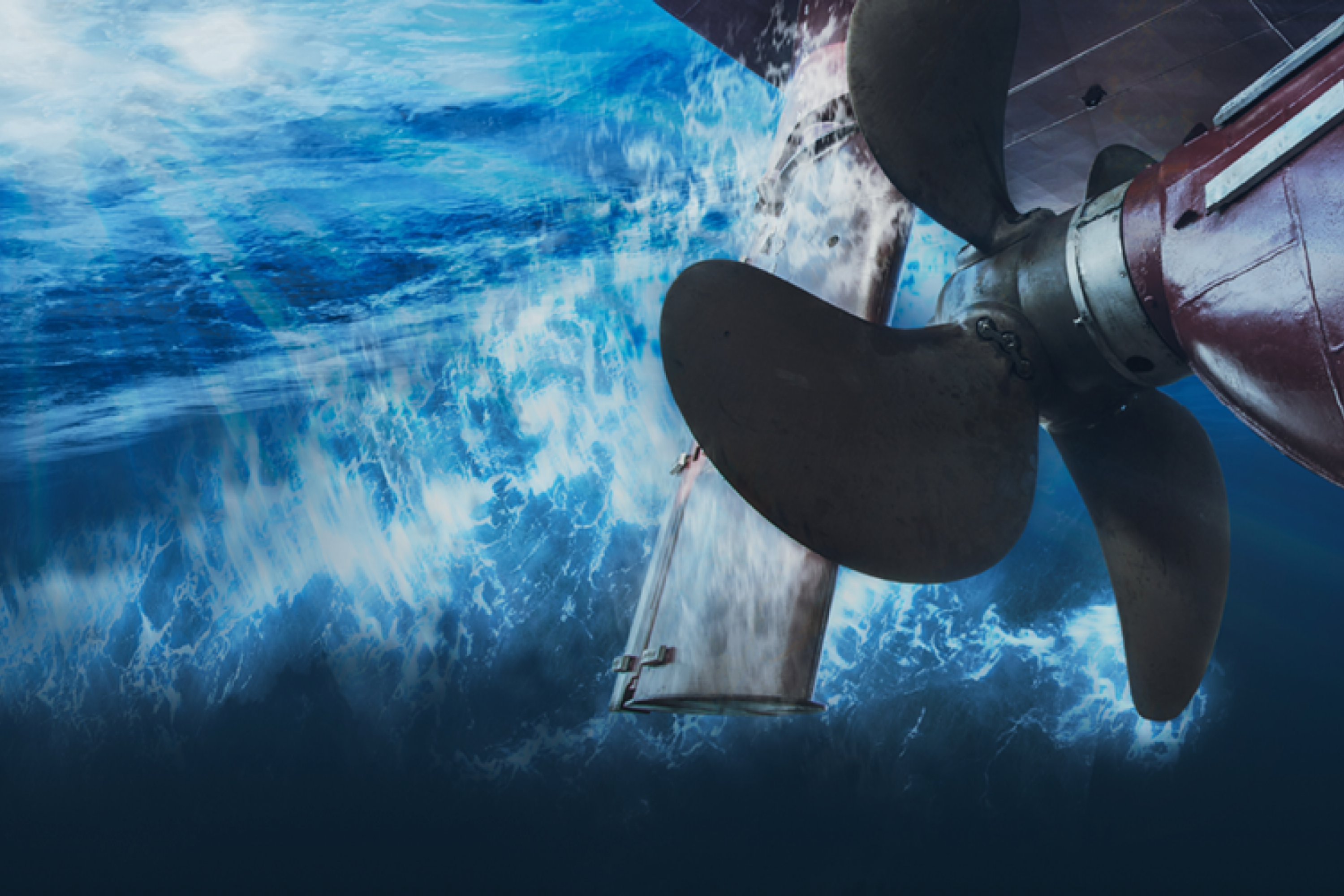
Ship propeller in motion underwater forming air bubbles
How does underwater noise affect marine life?
Marine mammals use short pulses and whistles to communicate underwater, clicks for navigation and social interaction, and very low frequencies for communication over long distances.
Underwater noise can harm marine animals in ways that range from minor to severe. For example, excessive or unexpected noise from commercial shipping can disturb or alter the behaviors of marine species. Marine mammals such as porpoises may leave an area where they are seeking food, sheltering with their young, or carrying out some other activity essential to their survival when exposed to elevated levels of underwater noise.
What can commercial vessels do to reduce noise?
Commercial vessels can help reduce underwater noise levels by considering and adopting the following practices:
How can SLR help?
We are a Green Marine partner.
Our underwater acoustics team has both the in-depth experience and state-of-the-art instrumentation to guide and assist vessel owners through the Green Marine certification process.
Our experience in the field of environmental impact assessment allows us to facilitate the development of mitigation plans to aid port authorities, seaways, and vessel owners in managing and reducing underwater noise while gaining recognition through the Green Marine program.
Get in touch to learn how you can improve your environmental performance and positively impact the marine industry.
To learn more about the Green Marine certification program click here.
by James Balik-Meacher, Ashleigh Turner, Sushmika Shetty