
Understanding traffic and transport risks in onshore wind projects
by Charlie Seventekin, Ian Cronshaw
View post
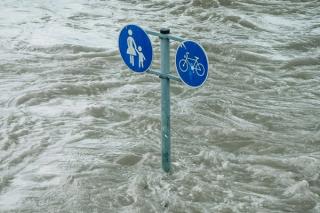
Recent flooding events across the UK, particularly in the last decade, have had a devastating impact on property and businesses. Additionally, with the predicted impact of climate change, the risk of flooding on a more frequent basis will increase significantly. But by taking a proactive approach to managing flood risk, businesses can understand the potential impacts to their property or business operations, plan for these events and ensure primarily that staff are safe, as well as minimising potential damage to property, plant and inventory. By completing bespoke property-level flood risk assessments businesses can implement prevention measures to mitigate the risks to their businesses, and by working with their insurers they can even reduce insurance premiums in some cases.
Martin Baines, Technical Director - Hydrology, at SLR explains how insurers are working with businesses to provide solutions to minimise the impact of flooding:
Did you know that there are currently over 30,000 businesses at risk of flooding in the UK? As the Food and Drink sector is the biggest manufacturing sector in the UK it stands to potentially suffer the most disruption to its operations in the years to come - particularly with the advent of climate change. Flooding of premises can arise from a number of potential sources including rivers, the sea, rising groundwater, surface water runoff, or the failure of existing infrastructure.
Insurers such as Aviva are now supporting their underwriters, brokers and business clients in providing solutions to help minimise the risk and impact of flooding. By facilitating access to specialist hydrological and flood risk consultants, Aviva can help businesses develop bespoke assessments of flood risk to their premises, identify measures to minimise the risk of any flooding, ensure a speedy recovery post flooding, and reduce potential business interruption and loss of earnings.
Understanding the risks at the property level allows businesses to focus on integrating flood risk management measures into everyday operations. Being able to demonstrate your business is safe, prepared and able to continue operation following a flood incident enables underwriters to provide competitive terms, saving businesses money.
If you have previously suffered flooding,
If you are concerned that your business, or part of your business may be at risk of flooding,
If you are struggling to agree reasonable insurance terms for your business,
You may benefit from carrying out a flood risk assessment.