
Don’t ‘waste’ potential: Turning biowaste into a strategic resource in the food & beverage sector
by Vincenzo Giordano, Iria Nicolás, Clément Barbaux
View post

ISO 14001:2026 Environmental management systems — Requirements with guidance for use has now been published, marking the start of the formal transition period. From April 15, 2026, organizations certified to the ISO 14001:2015 standard have three years to transition to the revised standard. After this time, certificates to ISO 14001:2015 will no longer be valid.
In Part 1, we covered why this update matters and who is most affected. This article walks through each of the key changes in detail and what they mean for your environmental management system. The revision sharpens expectations around climate change, biodiversity, natural resource use, leadership accountability, risk management and life-cycle considerations including supply chain and sourcing responsibility. All of these topics were covered by the previous iteration of the standard, but were not always prioritized, or well implemented by organizations.
This is likely the most significant operational change in the 2026 update. Organizations that rely on contractors, purchased materials, outsourced functions, or logistics partners will need to demonstrate that environmental controls extend throughout those relationships, and that emergency planning accounts for supplier-related risks.
ISO 14001:2026 strengthens expectations for supply-chain relationships, promoting more responsible sourcing. Organizations must now be able to demonstrate that environmental control extends throughout the supply chain and organizations are expected to define the level of control in documented information. This language captures:
ISO has replaced the term “outsourced processes” with “externally provided processes, products or services”. This reinforces that any external provider influencing the organization’s environmental performance must be controlled and that suppliers and partners must be brought into the scope of the EMS.
ISO 14001:2026 underlines that supplier-related risks, over which the organization has control and influence, must also be included in Clause 8.2 Emergency Planning. This means emergency preparedness must consider situations such as:
The new standard strengthens links between the EMS and climate-related challenges and other environmental conditions directly into multiple clauses, especially Clause 4.1 Understanding the organization and its context, Clause 4.2 Understanding the needs and expectation of interested parties and Clause 6.1 Actions to address risks and opportunities.
Climate change, use of natural resources and biodiversity are all now required considerations.
Climate change considerations were formally required in ISO 14001:2015 as of February 2024. ISO issued a climate-action amendment affecting all major management system standards. This amendment is now incorporated into ISO 14001:2026. These changes strengthen how organizations are required to evaluate climate change and its effects on environmental performance, including consideration of:
Effects on the EMS as a result of stakeholder action on climate change, including obligations imposed by customers, regulators, communities and investors, must be considered, such as:
For organizations that have made net-zero or climate-related pledges, these requirements mean your EMS now plays a direct role in evidencing those commitments. The gap between public claims and system-level controls is exactly where regulatory and reputational risk sits.
ISO 14001:2026 has expanded Clause 4.1 Understanding the organization and its context, to include natural resource use as a factor that organizations must evaluate when understanding environmental conditions that could influence the organization’s environmental performance. ISO 14001:2026 places much stronger emphasis on how operations rely on and impact natural resources such as:
ISO 14001:2026 connects these resource-use examples to environmental impacts, meaning that they must now be contemplated by the organization in its review and inventory of significant environmental aspects and impacts, with risk assessment requiring consideration of:
This is not limited to organizations operating in sensitive ecosystems. A manufacturing facility that withdraws water from a shared watershed, or a company sourcing raw materials from regions with deforestation risk, has biodiversity considerations that the updated standard now requires them to address.
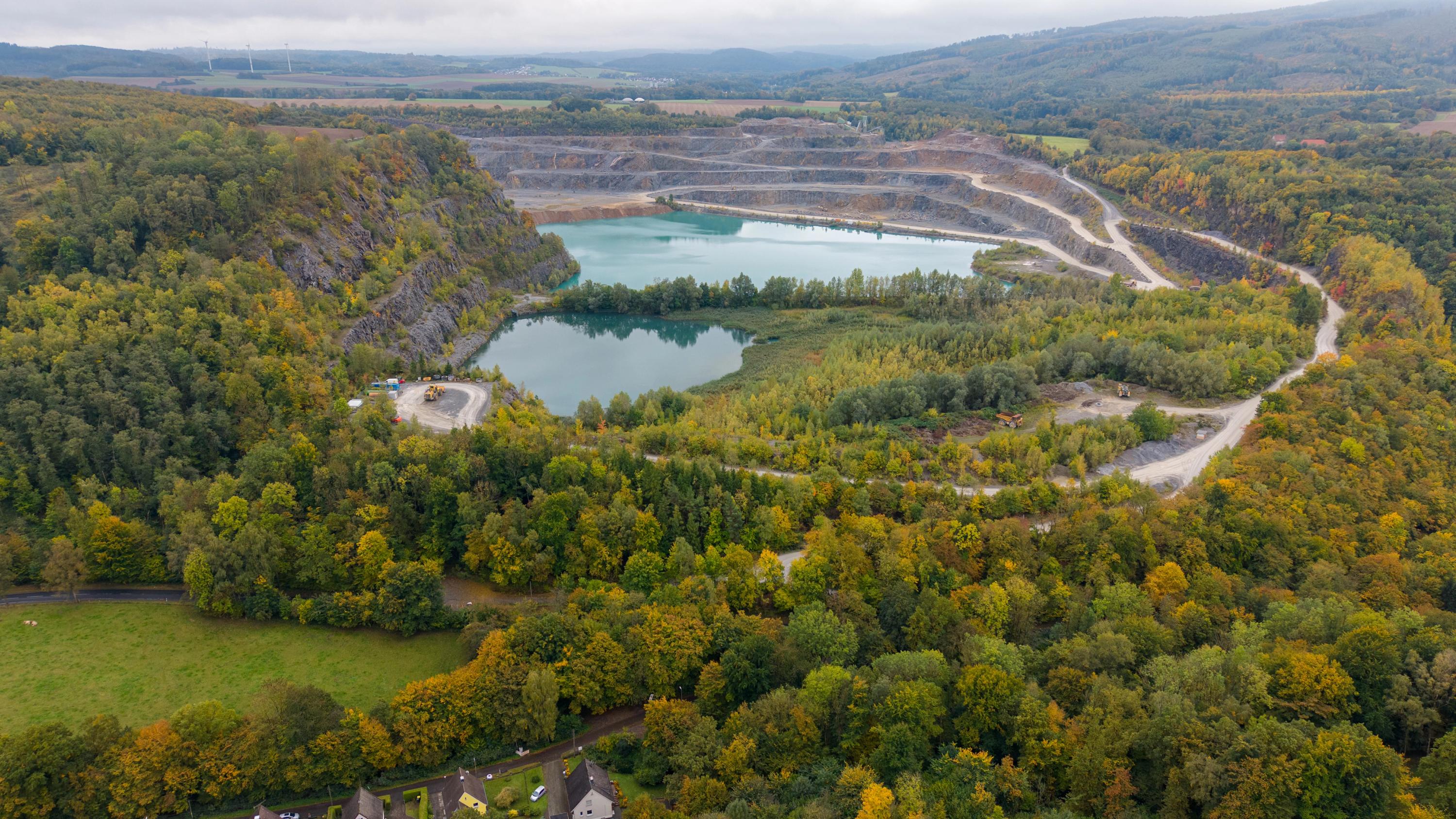
ISO 14001:2026 places more emphasis on biodiversity as a core environmental condition that organizations must understand and manage. Biodiversity is now treated as a central component of environmental sustainability. This expectation applies to any organization whose activities may influence or depend on local ecosystems species and natural habitats. Like other aspects, ISO 14001:2026 now requires more explicit and evidenced consideration of biodiversity impacts. Activities that affect biodiversity may include:
Organizations are now expected to:
ISO 14001:2026 strengthens expectations around how organizations evaluate and control changes within the EMS. The update clarifies what must be considered when changes occur and reinforces structured evaluation and communication.
The requirement to manage change existed in the 2015 version of the standard but is now captured by various requirements in the 2026 standard and in a standalone Clause 6.3 Planning of changes. This new clause explicitly requires organizations to more systematically control change that could influence the environmental performance of the organization:
Organizations that do not currently have a formal process for evaluating and controlling changes to materials, suppliers, processes, or organizational structure will need to build one.
ISO 14001:2026 reinforces that environmental management cannot be delegated solely to technical or environmental teams. Enhanced leadership engagement is emphasized to drive environmental performance and align the EMS with organizational strategy. Top management must be able to explicitly show personal involvement and remain accountable, even when tasks are delegated.
Top management can delegate certain responsibilities for actions to others as indicated by the word “ensuring” in 5.1 Leadership and commitment; however, top management retains accountability. In practical terms, this means top management can no longer treat the EMS as something that lives in the environmental department. Auditors will look for evidence of personal involvement: meeting minutes, resource allocation decisions, strategic planning inputs, and active promotion of environmental performance.
ISO 14001:2026 strengthens the language around life cycle to ensure that environmental impacts are considered beyond the boundaries of a single facility. Organizations must now actively apply life cycle thinking, not just “consider” it. In scoping its EMS, the organization is expected to consider “its authority and ability to exercise control and influence over the full life cycle of its activities, products and services” (4.3 Determining the scope of the environmental management system). This includes inputs and outputs the organization can control. For example, climate change, biodiversity and natural resource use must be considered through a life-cycle lens, including supply chains and externally provided processes. This includes:
Organizations are now expected to be able to evidence how life-cycle thinking has informed:
ISO 14001:2026 provides clarity around risk-based thinking and compliance obligations. The new standard makes it clear that organizations must plan actions based on environmental risks, opportunities and life-cycle impacts. ISO 14001:2026 reorganizes Section 6 Planning with the following changes:
The intention of the restructuring is to remove ambiguity and clarify how organizations determine all relevant enterprise environmental risks and opportunities and then plan actions to address them. A new note has been added to Clause 6.1.2 Environmental aspects, to clarify that environmental risk planning (risk identification, risk assessment and in determining emergency situations) must now consider the life cycle perspective. This revision is meant to ensure:

Clause 9.2.2 of the new standard requires that audit objectives be explicitly documented in an organization’s internal audit plan. This change is designed to ensure that audits are:
ISO 14001:2026 introduces structural changes and clarifies expectations for management review. The management review section of the standard is restructured with 2 new sub-clauses:
This restructuring improves clarity and consistency with the harmonized structure used across the ISO management system standards. With this structural change, it is expected that management reviews become a central mechanism for monitoring performance, risks, compliance and opportunities, and not merely a conformance exercise.
ISO 14001:2026 introduces refined terminology that distinguishes information that “must be available as documented information”. This means the organization must have documented evidence of conformance, but a formal standalone procedure or controlled document is not explicitly required. This is different from information that “must be maintained” – which applies to controlled documents such as procedures and policies, and scope statements or records.
ISO 14001:2026 raises the bar on what an effective environmental management system looks like, requiring organizations to move beyond internal compliance and demonstrate control, accountability and performance across their full value chain.
SLR has been working with the ISO suite of management system standards for many years, for some of our staff since the first iteration of the ISO 14001 standard was published in 1996. Our trained and certified ISO lead auditors and other subject matter experts are highly experienced in the design, development, implementation and audit of quality (ISO 9001), environmental (ISO 14001) and health & safety (ISO 45001) management system standards.
Our team has also supported clients with ISO 50001 (energy management) and ISO 55001 (asset management). We have worked across all industries and all geographies, with organizations large and small, and multi-national and local.
Now that you have seen the details of what is changing, the next logical step is a gap analysis against your current system. Here is how we can help: